
Have you joined my incredibly non-annoying, once-in-a-while email newsletter? Ok, now let’s talk about getting a good sleep. I wrote this original article in 2012. It is 2021 and I have improved my sleep even more with a Molecule Mattress! Read my new review.
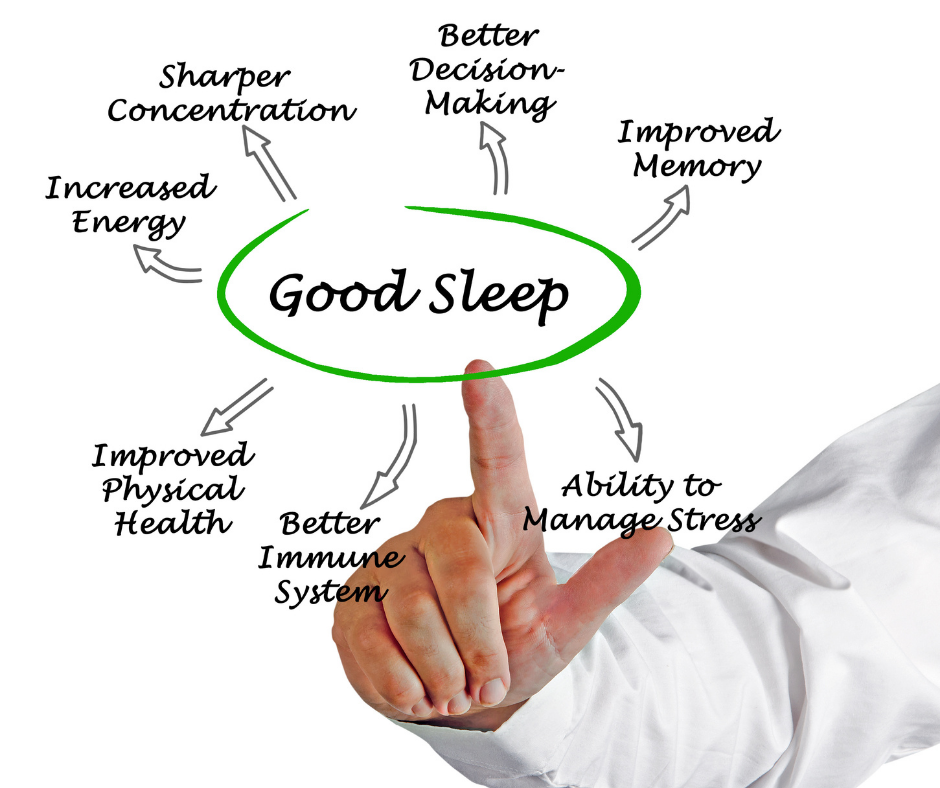
About a year ago, I wrote a blog post called “How To Wake Up Early (And Why It’s So Important”) It became an instant popular post, with tons of linkage and referrals from people around the world who were all like “I’m going to get up earlier! This is what I’m going to do!” But what makes a good sleep?

Cool. Glad it helped, and the basic rules in it still apply. (Use the bedroom for sleeping and sex only, drink a huge glass of water the second you wake up…) etc. Over the past year, however, I learned something really, really interesting, just from my own experience: The type of bed on which you sleep plays a huge part in how you get a good sleep.
Growing up, I never cared how I slept. As a college student and beyond, I slept on a crappy futon that over time got so bad, I could feel the bars of the frame through the mattress. Over time, as I got older, I treated myself to a memory-foam mattress, one of those that confirms to your body, and on which you can drop a dozen eggs and not break any of them, etc. It was super-cool, and I bought it because I finally had some money, and I was told it was the best.
Problem was, within a few years, my back started killing me. I figured it was due to workouts, being overweight, whatever. I never put two and two together, and never realized it could possibly be the bed, until I lost the weight, got married, and my wife told me in no uncertain terms that she hated my space-age bed.
At around the same time, Serta was kind enough to send me a new bed, after they found my blog post about sleep. I went to a Sleepy’s and tested out all the beds, and wound up with a Serta Perfect Sleeper. It’s not the hardest, firmest bed they make (I love hard/firm, don’t even make any jokes, thanks) but my wife loves soft and mushy. (again, no jokes.) So we wound up with a middle-ground. The nice thing about it, is that I get more sleep with it than I used to with my old mattress – And this isn’t a plug for Serta – It’s a plug for making sure you’re smart about your good sleep. Here’s why:
- First thing I learned – The frame matters. If you have a crappy bed frame, the mattress sags. You don’t want that. Spend the money on a good, solid frame and box spring. It’s worth it.
- Second: Your firm/soft desire may vary, but if you weigh more than 10 pounds, firmer = better. There’s a reason countless cultures sleep on a tiny mat on the floor. I try and sleep on the floor at least twice a month. There’s something about the hardness of the floor that totally realigns my back. I’ve asked my chiropractor, and he agrees – It’s definitely beneficial to sleep on a hard surface. The only problem comes if you have any type of sleep apnea – Because you’re sleeping on your back when you’re on the floor, it could exacerbate it. Be careful.
- Third: If you happen to suspect you have sleep apnea, consider going in for a nighttime sleep study. I’m doing mine in two weeks. Basically, I’ll be wired to tubes and electrodes all night, and doctors will watch me to see if I stop breathing over the course of the evening, and how many times. Sadly, I’m afraid I already know the answer to this. 🙁
- Fourth: Pillows matter. I’ve always sleep on two pillows, but I’ve now trained myself to use one. I find that the less my neck bends, the better I sleep, and the better my back/neck/lower back feels the next morning. See if you can sleep with only one.
- Finally – And this one is important: I’ve stopped going to sleep on a full stomach. Your mileage may vary, but I find that if I give myself at least two hours between eating and sleeping, I sleep better, and wake up without any back pain or soreness. If I fall asleep immediately after eating, I wake up in the middle of the nit with a sore back, plus i feel totally bloated and blah. So I try to avoid that.
- Bonus tip one: More alcohol might cause you to pass out, but the sleep quality under alcohol actually sucks. Try not to drink so much before you go to bed. This will help you to get a good sleep.
- Bonus tip two: That whole “Sleep is for the weak” thing that became popular in the 80s and 90s (and that I subscribed to for a while, as well) is BS. Our bodies need sleep. Depriving them of it doesn’t help us in the long run, and some studies have shown that doing that makes us fatter, stupider, and less likely to succeed. So shut off the TV and try for your eight hours. It’s worth it for a good sleep.
What tips do you have for sleeping well? I’d love to hear them.
Disclosure statement: This blog was written by me with no editorial input from anyone else. Serta did send me a free mattress and box spring, but I wasn’t asked to write anything specific in exchange.